
Where Can I Find the Best Portrait Photography Services in My Local Area?
Understanding the Craft of Professional Portrait Photography
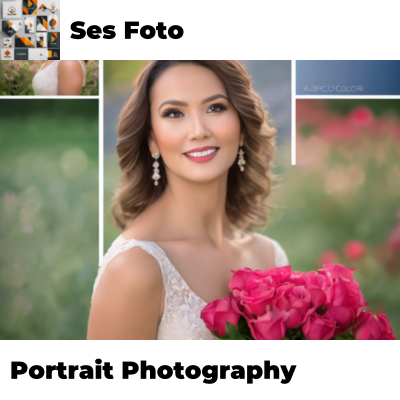
Portrait photography represents far more than simply pointing a camera at someone's face and clicking the shutter. It's an intricate dance between technical expertise, artistic vision, and genuine human connection. When you're searching for portrait photography near you, understanding what separates mediocre portraits from truly exceptional ones becomes essential. The best portrait photographers possess an almost intuitive grasp of how light bends around facial features, how shadows can sculpt cheekbones, and how the right angle transforms someone's entire appearance. They understand that portraiture isn't about perfection—it's about authenticity. Every wrinkle tells a story. Every smile carries weight and meaning.
The Technical Foundation Behind Quality Portraits
Professional portrait photographers spend years mastering the technical components that most people never consciously notice. Lighting, for instance, isn't simply bright or dark. It's about understanding three-point lighting systems, the inverse square law of light, and how different color temperatures affect skin tones. A photographer working with natural light needs to know precisely when the sun will hit the golden hour, how clouds diffuse harsh rays, and which direction creates the most flattering shadows. Equipment matters too, but not in the way casual photographers might think. While expensive cameras certainly help, experienced professionals can create stunning work with surprisingly modest gear because they understand sensor behavior, lens optics, and focal length relationships inside and out.
When you're evaluating local portrait photography services, ask yourself whether the photographer can intelligently discuss:
- How they meter for proper exposure with different skin tones
- Why they choose specific focal lengths for different portrait styles
- How they manage harsh midday sunlight versus soft overcast conditions
- The reasoning behind their shutter speed and depth-of-field decisions
- Their approach to color grading and post-processing philosophy
The Psychological Dimension of Portrait Work
Beyond the technical realm lies something equally crucial: the psychology of working with human subjects. Great portrait photographers understand that being photographed can trigger vulnerability, anxiety, or self-consciousness. They've developed the interpersonal skills to put subjects at ease, often through genuine conversation, humor, or simply creating a comfortable environment. Some photographers excel at coaxing authentic expressions through natural interaction rather than posed artificiality. Others specialize in structured, elegant posing for professional headshots. The distinction matters because different situations demand different approaches.
Why Local Portrait Photography Services Offer Unique Advantages
When searching for portrait photography services, many people automatically think of traveling to major cities or booking renowned photographers from across the country. However, choosing a local professional offers distinct benefits that shouldn't be overlooked. Local photographers understand the specific lighting conditions of your area—the way morning light streams through downtown buildings, how evening shadows fall across neighborhood parks, or which indoor venues have genuinely flattering natural light. They've spent countless hours photographing in these exact locations, giving them an encyclopedic knowledge of the best spots for different seasons and times of day.
Geographic and Logistical Convenience
Working with someone nearby eliminates significant friction from the entire process. You're not coordinating across time zones or dealing with the scheduling complications that arise when working with distant professionals. Most importantly, local photographers can conduct in-person consultations where you discuss your vision, ask questions, and assess whether you feel genuinely comfortable with them. That face-to-face connection matters more than many people realize. You can see how they interact with you, whether they listen carefully to your concerns, and whether their personality aligns with yours. For families with children or elderly relatives, having a photographer willing to travel within your community reduces logistical stress considerably.
Building Lasting Professional Relationships
When you hire a local portrait photographer, you're often beginning a relationship that can span years. Perhaps you'll return for updated headshots annually, family portraits every few years, or specialized projects as life circumstances change. Local photographers build their reputation within the community partly through repeat clients and word-of-mouth referrals. This creates natural incentive for them to deliver exceptional results and maintain high standards. They know that disappointing you doesn't just lose one client—it potentially loses dozens of future referrals. Established local professionals have invested in their community, developed deep roots, and built their business on reliability and consistent quality.
The Diverse Applications of Professional Portraiture
Many people narrowly define portrait photography as formal headshots or stiff family photos. The reality encompasses a remarkably diverse range of applications, each requiring distinct technical approaches and artistic sensibilities.
Business and Corporate Portraiture
Professional headshots have evolved tremendously from the stiff, uncomfortable portraits of decades past. Modern corporate portraits balance approachability with professionalism, showing personality while maintaining the polish expected in business contexts. LinkedIn headshots, company directory photos, and professional websites all benefit from quality portrait work. A skilled portrait photographer knows how to position lighting to minimize unflattering shadows on the face, how to suggest confidence through posture and positioning, and how to ensure the background complements rather than distracts from the subject. These images directly impact how colleagues, clients, and potential business partners perceive professionals, making the quality of the photograph surprisingly consequential.
Family and Milestone Photography
Family portraits serve as visual records of relationships and moments in time. The challenge intensifies when photographing multiple people, particularly when coordinating different personalities, comfort levels, and energy levels—especially with children. Experienced family portrait photographers possess patience, creative problem-solving skills, and the ability to work quickly while maintaining quality. They understand how to pose groups so everyone looks flattering, how to manage lighting across multiple subjects of different heights, and how to direct moments that feel natural rather than forced. Whether capturing newborn babies, growing children, multigenerational families, or milestone celebrations, professional family portraiture creates heirloom-quality images that matter for decades.
Creative and Artistic Portraiture
Beyond conventional uses lies the realm of artistic portrait photography. Some photographers specialize in environmental portraits that show subjects in meaningful contexts. Others excel at conceptual work that explores themes of identity, emotion, or social commentary. Creative portraiture might incorporate dramatic lighting, unusual compositions, stylistic post-processing, or collaborative work with stylists, makeup artists, and wardrobe specialists. This category includes fine art portraits created for portfolio development, experimental work exploring photographic boundaries, and collaborative projects between photographers and subjects pursuing artistic vision.
Entertainment and Performance Photography
Portrait photographers sometimes specialize in capturing performers, musicians, and artists in ways that convey their talent and stage presence. These portraits differ from standard headshots by incorporating dynamic energy, creative lighting, and visual storytelling elements that suggest the subject's creative discipline.
Identifying Genuine Quality in Portrait Photography Services
Evaluating portrait photographers requires more than simply browsing through portfolio images. While portfolios certainly matter, understanding what specifically makes those images work demands a more sophisticated analytical approach. Many people struggle to articulate why certain portraits feel compelling while others leave them cold, even when both are technically competent photographs.
Analyzing Portfolio Consistency and Range
When reviewing a photographer's portfolio, observe whether their work demonstrates consistency in quality while also showing versatility across different subject types and situations. A strong portfolio should include examples across various lighting conditions—natural light, studio lighting, mixed light environments. Look for evidence that the photographer understands different skin tones, facial structures, and age groups. Do their images of older subjects look as compelling as their younger subjects? Do they work equally well with different ethnicities and skin tones? These details reveal whether a photographer has genuine expertise or simply excels with one particular demographic.
Pay attention to the backgrounds and compositional choices. Does the photographer make thoughtful decisions about what appears behind the subject, or do backgrounds seem randomly selected? Are compositions varied, or do all images follow identical patterns? Some repetition reflects a photographer's stylistic signature—that's positive. Excessive repetition might indicate limited problem-solving skills or creative range.
Evaluating Technical Execution
Examine the photographs for technical proficiency in several specific areas:
- Focus accuracy: Are eyes consistently sharp and well-defined? Do catchlights appear in the eyes, creating dimension and vitality?
- Exposure consistency: Do skin tones look natural and properly exposed across different images, or do some subjects look blown out while others appear too dark?
- Color accuracy: Do skin tones look natural and complimentary, or does everything appear too warm, too cool, or otherwise unnatural?
- Depth of field control: Is the depth of field appropriate for the portrait style, with subject in focus and background appropriately blurred without distraction?
- Composition: Do the images demonstrate understanding of compositional principles like the rule of thirds, leading lines, framing, and balance?
Assessing the Human Element in Images
Beyond technical metrics lies something more elusive but equally important: whether the portraits capture genuine human moments. Do subjects in the photographs appear genuinely comfortable and relaxed, or do they look stiff and anxious? Do their expressions feel authentic, or obviously posed? This difference separates photographers who technically execute portraits from those who also possess the interpersonal skills to create authentic human connection through the camera. Some photographers excel at directing subjects to appear relaxed, often through conversation an