
Why Should You Choose Professional Event Photography Services Near You?
Understanding the True Value of Professional Event Documentation
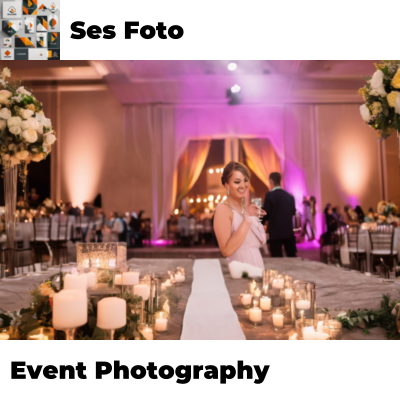
Event photography stands at the intersection of technical expertise and creative vision. Many people underestimate what professional photographers bring to celebrations, corporate functions, and milestone gatherings. The difference between amateur snapshots and professionally captured moments extends far beyond simple image quality—it encompasses storytelling, timing, emotional resonance, and technical precision that only comes from years of dedicated practice.
When you hire a professional event photographer, you're not simply paying for someone to point a camera at your guests. You're investing in someone who understands light, composition, and human psychology. A seasoned photographer knows exactly when emotions peak, how to position themselves for unobstructed angles, and which moments will matter most to you years down the line. They arrive with backup equipment, contingency plans for technical failures, and the experience to navigate unexpected lighting conditions or venue challenges that would leave amateur photographers scrambling.
The Difference Between Snapshot Culture and Professional Preservation
Smartphone photography has democratized image capture, yet it's created a peculiar problem. Most event attendees spend more time looking at their screens than experiencing the actual event. They capture thousands of mediocre images, many of which suffer from poor focus, unfortunate shadows, or awkward framing. Professional photographers, conversely, capture dozens of exceptional images that become treasured memories rather than cluttering cloud storage.
The technical aspects matter tremendously. Professional cameras utilize superior sensors that perform exceptionally well in challenging lighting environments—the dimly lit ballroom, the outdoor sunset ceremony, the indoor reception with mixed lighting temperatures. These cameras capture more information in each image, allowing for substantial editing flexibility without degradation. The lenses professionals use cost thousands of dollars and deliver optical clarity that smartphone lenses simply cannot match, regardless of computational photography improvements.
Why Local Expertise Makes a Measurable Difference
Selecting a photographer familiar with your specific venue provides tangible advantages. They understand:
- How light enters the space throughout the day
- Optimal positioning for various moments
- Bottleneck areas where guests naturally congregate
- The best backgrounds for portraits
- Timing considerations for golden hour photography
- Acoustic challenges for videography if applicable
A photographer who has worked at your venue multiple times possesses invaluable knowledge that can make the difference between adequate coverage and exceptional documentation. They've learned exactly where to stand during the ceremony, how to capture the cake cutting with optimal lighting, and where guests typically congregate for candid moments.
Evaluating Affordable Event Photography Without Sacrificing Quality
The word "affordable" carries different meanings for different budgets, yet the principle remains consistent: you should receive excellent value for your investment. Affordable doesn't mean cheap or compromised; it means fair pricing for legitimate expertise and professional execution.
Recognizing the Components of Transparent Pricing
Professional photographers structure their pricing around several concrete factors. Understanding these helps you evaluate whether quoted rates represent genuine value:
- Photographer's experience level and portfolio quality - A photographer with fifteen years of experience and thousands of satisfied clients typically charges more than someone with two years of experience, and rightly so
- Equipment investment and maintenance - Professional-grade cameras, lenses, and backup systems represent significant capital expenditures that require insurance and regular maintenance
- Post-processing and editing time - Many people don't realize that the hours spent editing images roughly equal or exceed shooting time; a full-day event generates thousands of images requiring careful curation and enhancement
- Delivery format and timeline - Expedited editing, printed albums, or multiple revision rounds require additional labor
- Travel distance and venue logistics - Photographers factor in travel time, parking, and venue accessibility when setting location-based rates
- Insurance and business overhead - Professional photographers maintain liability insurance, maintain business licenses, and cover various operational expenses that individual hobbyists don't factor into their pricing
Affordable photographers often have lower overhead through established client bases, efficient workflows, or strategic pricing during off-peak seasons. They haven't necessarily compromised quality; they've optimized their business model or chosen to price competitively within their market.
Package Structures That Deliver Real Value
Reputable event photographers typically offer tiered packages allowing clients to select coverage that matches their actual needs and budgets. These packages might include:
- Ceremony-only coverage - Perfect for smaller budgets or events where the primary moments concentrate within a specific timeframe
- Half-day packages - Ideal for rehearsal dinners, engagement parties, or events with defined shooting windows
- Full-day coverage - Comprehensive documentation from preparation through final moments
- Extended hours packages - When celebrations extend into evening and night photography becomes important
Each tier should specify:
- Number of final edited images delivered
- Whether the photographer provides an assistant or works solo
- File formats and resolution included
- Whether a printed album or additional products are included
- Timeline for receiving final images
- Revision or reshoot policies
- Rights to use images for portfolio purposes
Transparent pricing structures allow meaningful comparison between photographers. A photographer offering eight hours of coverage with 400 edited images and digital files isn't necessarily cheaper than one offering six hours with 250 images—the actual value depends on your specific needs and priorities.
How Professional Event Photographers Create Lasting Memories
The psychology of visual memory intertwines with photography's fundamental purpose. We don't remember events sequentially; we remember moments punctuated by emotional significance, sensory details, and visual snapshots our brains have highlighted as important. Professional photographers understand this psychological reality and structure their shooting approach accordingly.
The Multifaceted Approach to Event Coverage
Comprehensive event photography encompasses several distinct shooting strategies working in concert:
Documentary or candid coverage captures genuine moments as they unfold naturally. These unposed images often become favorites because they preserve authentic emotion and interaction. A grandmother's expression when seeing her grandchild for the first time, two friends laughing uncontrollably mid-conversation, the nervous energy before a ceremony begins—these moments resist artificial recreation. Professional photographers train their eyes to anticipate these moments, positioning themselves to capture them without disrupting the natural flow of events.
Posed portraits and group photos require different skills entirely. The photographer must direct subjects comfortably, ensure proper positioning for flattering angles, manage group dynamics, and capture expressions that feel natural despite the structured format. This demands interpersonal skill alongside technical expertise. Amateur photographers often create portraits where subjects appear stiff or uncomfortable; professionals know how to relax people and capture genuine smiles.
Detail photography documents the elements that required substantial planning and investment. The floral arrangements, table settings, jewelry, cake design, and venue decorations deserve photographic documentation. Many couples and event organizers care tremendously about these details, and professional photographers ensure they receive proper attention and beautiful presentation.
Transitional moments often get overlooked by amateur photographers, yet they provide essential documentation. The bride's arrival, guests entering the reception, the cake cutting, first dances, toasts, and send-offs—these structured moments require strategic positioning and perfect timing to capture effectively.
The Technical Mastery Behind Beautiful Images
Professional photographers make complex technical decisions instantaneously, decisions that dramatically affect image quality. When light changes—a cloud passing across the sun, guests moving from outdoor ceremony to indoor reception, evening darkness descending—photographers adjust camera settings in real-time. They manipulate:
- Shutter speed to freeze action or create motion blur as appropriate
- Aperture to control depth of field and background blur
- ISO sensitivity to maintain proper exposure in varying light conditions
- White balance to ensure colors appear natural under different lighting sources
- Metering modes to expose properly for key subjects despite challenging backgrounds
These aren't vague artistic choices; they're precise technical adjustments requiring intimate knowledge of how camera sensors respond to light. A photographer might need to increase ISO by three stops to maintain shutter speed fast enough to eliminate motion blur when lights dim, then immediately adjust aperture when moving to a brightly lit space. These decisions happen continuously throughout an event, and mistakes manifest as unusable images—blurry shots, incorrect color tones, improper exposure.
Navigating the Local Photography Market to Find Your Ideal Match
The process of selecting a photographer for an important event deserves careful consideration. Geographic proximity matters more than many people initially realize, offering genuine advantages beyond mere convenience.
What to Look For in Portfolio and Previous Work
A photographer's portfolio reveals their technical capabilities, artistic sensibilities, and consistency. When reviewing portfolios, look beyond surface-level aesthetics to evaluate:
Consistency across images - Do all images maintain high quality, or do some appear notably weaker? Professional portfolios should demonstrate reliably excellent work
Lighting competency - Can the photographer deliver beautiful images regardless of lighting conditions? Compare images shot in bright sunlight, dim indoor venues, and mixed lighting situations
Variety in compositions - Do images show diverse perspectives and framing, or repetitive angles suggesting limited creativity?
Post-processing style - Does the editing enhance images while maintaining natural appearance, or does heavy-handed processing distract
Emotional capture - Do people in photographs appear genuinely happy and comfortable, or do expressions seem forced or awkward?
Technical sharpness - Examine details like eyes, which should be perfectly sharp and in focus across images
Color accuracy - Do skin tones appear natural and flattering, or do images have color casts that suggest poor white balance management?
Request to see full events rather than just highlight reels. Highlight reels show a photographer's best work, while viewing complete event galleries reveals how they handle the full spectrum of moments throughout an event. A photographer might deliver exceptional ceremony images but mediocre reception coverage, or vice versa. Comprehensive portfolio viewing prevents such surprises.
Understanding Client References and Testimonials
Words from previous clients carry significant weight. However, approach testimonials strategically:
- Request references from events similar to your own in scale, style, and timing
- Ask specific questions about photographer punctuality, professionalism, and communication
- Inquire whether the photographer delivered images on the promised timeline
- Ask if the client felt the photographer captured moments that mattered most to them
- Determine if the client would hire the photographer again for future events
Genuine testimonials often contain specific details about particular moments or images, whereas generic praise raises questions about authenticity. A client might mention, "She perfectly captured the moment my father saw me in my wedding dress for the first time—I didn't even realize she was photographing it, but that image became one of my favorites." This specificity indicates real experience rather than templated feedback.
Communication Style and Professional Responsiveness
Your interaction with a photographer before hiring reveals much about the working relationship you'll experience during your event. Professional photographers typically:
- Respond to inquiries within 24 hours
- Answer questions thoroughly without pressuring you toward immediate decisions
- Explain their process and approach clearly
- Ask relevant questions about your event, priorities, and vision
- Provide realistic assessments of what's achievable given your specific circumstances
If a photographer seems dismissive of your questions, communicates poorly, or pressures you into contracts, these behaviors often persist through the event itself. Wedding photographers particularly should demonstrate patience and attentiveness to client concerns, as the partnership requires collaboration and trust.
The Complete Event Photography Experience: Before, During, and After
Professional event photography encompasses far more than simply showing up and taking pictures. The comprehensive experience includes substantial preparation, careful execution, and meticulous follow-up.
Pre-Event Planning and Consultation
Thorough photographers conduct detailed consultations before events. This planning phase typically involves:
Understanding your vision and priorities - What moments matter most to you? What style appeals to you most? Are there specific people, details, or traditions that require documentation? A photographer who understands your priorities can structure their shooting strategy accordingly rather than approaching every event identically.
Reviewing the venue and timeline - Professional photographers want to understand the physical space, identify potential lighting challenges, and familiarize themselves with the event schedule. They might visit the venue beforehand or request detailed descriptions if advance visits aren't possible. They need to know whether the ceremony occurs outdoors (weather dependent), indoors under artificial lighting, or in mixed conditions. Understanding the timeline helps them anticipate when key moments occur so they can position themselves optimally.
Discussing backup plans - What happens if weather forces an outdoor ceremony indoors? What if the event runs significantly ahead of or behind schedule? What if technical issues occur? Professional photographers have contingency plans for various scenarios and communicate these proactively.
Clarifying deliverables and expectations - How many images will you receive? When will they be delivered? What file formats are included? Can you use images for social media? These conversations prevent misunderstandings that create disappointment after your event concludes.
Reviewing any special requests - Some clients need specific traditions photographed. Some request particular poses or groupings. Some have accessibility considerations. Professional photographers accommodate reasonable requests and flag requests that might prove challenging or impossible.
The Event Day Experience
Professional photographers approach event days with military-like precision mixed with artistic flexibility. They typically:
Arrive early - Photographers should arrive at least 30 minutes before scheduled shooting begins, allowing time to scope the space, test lighting, identify optimal positioning areas, and ensure all equipment functions properly. Early arrival prevents scrambling during crucial moments.
Remain unobtrusive yet vigilant - The best event photography captures genuine moments without disrupting the natural flow of events. Photographers move strategically, anticipate moments before they peak, and position themselves for clear angles without intruding into the experience. This requires both technical skill and social awareness.
Adapt to unexpected changes - Events rarely unfold exactly as planned. Ceremonies run long, toasts conclude earlier than expected, lighting differs from assumptions, or guests congregate in unexpected locations. Professional photographers adjust their plans fluidly, maintaining comprehensive coverage despite these variations.
Manage fatigue and maintain consistency - Event photography often involves standing for extended periods, carrying heavy equipment, and maintaining intense focus for hours. Professional photographers have conditioned themselves physically and mentally to maintain quality throughout entire events, whether covering four hours or twelve.
Document systematically - Experienced photographers follow a mental checklist ensuring comprehensive coverage: pre-ceremony details and preparations, ceremony proceedings, cocktail hour or transitional activities, reception entrance and activities, toasts, dining, dancing, and send-off moments. This systematic approach prevents accidental gaps in documentation.
Communicate with other vendors - Coordinators, videographers, and other vendors operating simultaneously benefit from awareness of each other's positioning. Professional photographers coordinate with these collaborators to avoid conflicting angles or duplicated efforts.
Post-Event Processing and Delivery
The work continues substantially after events conclude. Professional photographers typically:
Cull and organize - From thousands of captured images, photographers select which ones merit editing. This process involves removing duplicates, blurry shots, and images that didn't capture intended moments. Careful culling ensures the final gallery contains only strong images.
Edit comprehensively - Each selected image receives individual attention. Color correction ensures skin tones appear natural and consistent. Exposure adjustments optimize brightness and contrast. Blemish removal and minor retouching enhance appearance without creating artificial results. Cropping and straightening refine composition. This process often requires several hours per event.
Organize and deliver - Professional photographers deliver images through dedicated platforms or cloud services, allowing clients to download, preview, and sometimes order prints or albums. Delivery systems typically include search functionality, organizational tools, and straightforward download options.
Provide revisions - Professional agreements usually permit a reasonable number of revision requests, allowing clients to request adjustments like additional editing, alternative crops, or specific image selections. Some photographers include revisions within their package; others charge for extensive revision requests.
Specialized Considerations for Different Event Types
Different event categories present distinct photographic challenges and opportunities requiring specific expertise.
Corporate and Business Event Photography
Corporate events demand a different approach than personal celebrations. Professional photographers for business events typically focus on:
- Capturing attendees and networking moments - Networking events require coverage that documents attendees interacting, creating visual records useful for marketing and internal communications
- Documenting speakers and presentations - Conference photography captures presenters, slides, and audience engagement
- Recording awards and recognition moments - These events often include ceremonies or recognition moments requiring careful timing to capture genuine reactions
- Maintaining professional decorum - Corporate environments demand photographers who blend seamlessly into professional settings without distracting from business purposes
The technical approach differs from personal event photography. Corporate events often occur under consistent artificial lighting in conference venues, allowing photographers to maintain consistent settings rather than constantly adapting. However, the challenge involves capturing meaningful moments despite less obvious emotional peaks than personal celebrations provide.
Wedding and Ceremony Photography
Weddings represent perhaps the most common and emotionally significant event photography category. This specialty requires photographers to:
- Master both posed and candid approaches - Weddings demand capability in directing formal family portraits while simultaneously capturing authentic moments
- Understand ceremony traditions and timing - Different ceremonies have different structures, crucial moments, and restrictions on photographer positioning
- Navigate multiple distinct phases - Weddings typically include preparation, ceremony, transitional periods, reception activities, and evening entertainment, each requiring different shooting approaches
- Manage complex family dynamics - Family photos can be complicated; professional wedding photographers handle these tactfully while ensuring everyone appears well
- Capture emotional significance - Wedding photographers understand that certain moments carry profound meaning and require particular attention
Wedding photographers often develop specialized expertise based on the specific types of weddings they frequently photograph. A photographer specializing in religious ceremonies understands the particular traditions and restrictions. A photographer specializing in destination weddings has experience managing travel logistics and unfamiliar venues.
Milestone Celebrations and Personal Events
Birthday parties, anniversaries, reunions, and similar celebrations present opportunities for photographers to capture joy and connection:
- Focus on relationships and genuine connection - These events often center on people reconnecting or celebrating together, making candid coverage of interactions particularly valuable
- Capture specific traditions or activities - Milestone events